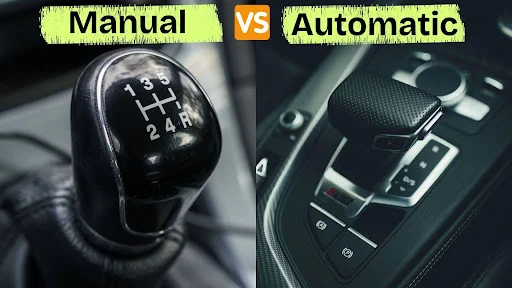
Choosing between manual and automatic lessons is one of the first real decisions a learner driver makes in Birmingham. It shapes how many hours you’ll need, what your licence will allow you to drive, and how much the whole process will cost.
There’s no universally “right” answer. It depends on your goals, your budget, and how comfortable you are juggling a clutch pedal while merging onto the Aston Expressway. Working with experienced manual vs automatic driving instructors helps you weigh these trade-offs properly before you commit to a course.
This guide breaks down the real differences between manual and automatic tuition in Birmingham, using local road conditions, current pricing, and DVSA test standards to help you decide.
Manual vs Automatic Driving Instructors: A Side-by-Side Comparison
Here’s a quick snapshot of how the two options compare before we go into detail.
| Factor | Manual | Automatic |
| Licence coverage | Both manual and automatic cars | Automatic cars only |
| Typical lesson cost | £30 to £38 per hour | £35 to £40 per hour |
| Average hours needed | 40 to 50+ | 20 to 30 |
| Best for | Long-term flexibility | Faster, focused learning |
| Ideal driving style | Full control over gears | Focus on road awareness. |
What the Table Tells Us
Manual lessons often cost slightly less per hour, but you’ll usually need more of them. Automatic lessons cost more per hour but tend to get learners test-ready in fewer sessions, particularly in a congested city like Birmingham.
Advantages of Learning With Manual Driving Instructors
Manual tuition remains the more popular route in the UK, and there are solid reasons why.
- Full licence flexibility. A manual pass lets you drive both manual and automatic vehicles afterwards.
- Wider used car access. Manual cars still dominate the budget end of the West Midlands market, and they’re usually cheaper to buy and insure.
- Better resale and hire options. More rental and company cars come with manual gearboxes than you might expect.
- Genuine skill building. Some learners simply enjoy mastering clutch control and gear changes.
Advantages of Learning With Automatic Driving Instructors
Automatic lessons strip away an entire layer of coordination, which considerably changes the learning experience.
- Faster progress for many learners. With no clutch or gear stick to manage, attention shifts straight to observation and positioning.
- Less stress in heavy traffic. Useful on routes like the ring road or Bristol Road at rush hour.
- Fewer stalls and gear errors during the test itself.
- A natural fit for the EV shift. Most electric vehicles use automatic transmission, so this licence suits where UK driving is heading.
Which Option Is Better for Driving in Birmingham?
Birmingham throws a lot at new drivers: the tidal flow system on the Aston Expressway, the Gravelly Hill Interchange, bus lanes, the Clean Air Zone boundary, and steep hill starts around Quinton and Halesowen.
None of this changes how the DVSA marks a test. Examiners assess hazard awareness, positioning, and decision-making identically regardless of transmission. What changes is how much mental bandwidth you have left over for those decisions while also managing gears.
Who Should Choose Manual Driving Lessons?
Manual suits you if you want maximum flexibility from your licence, plan to buy a used car eventually, or genuinely want to build the skill for its own sake. It’s also the safer default if you’re not sure yet what you’ll be driving in five years.
Who Should Choose Automatic Driving Lessons?
Automatic suits learners who want to pass efficiently, feel overwhelmed by multitasking, or already know they’ll drive an automatic or electric car long-term. If your main goal is confidence behind the wheel as quickly as possible, this route often gets you there sooner.
Manual vs Automatic Driving Lesson Costs
Across Birmingham, manual lessons typically run £30 to £38 per hour, while automatic lessons sit around £35 to £40 per hour. On paper, manual looks cheaper.
In practice, the totals often even out. Manual learners typically need more hours to reach the test standard because there’s more to coordinate, whereas automatic learners often need fewer sessions overall. As one local instructor put it, the cheapest lesson isn’t always the cheapest course, because the total hours matter more than the hourly rate.
If you’re working to a deadline, an intensive driving course in Birmingham may suit either transmission type, depending on your existing confidence.
How to Choose the Right Birmingham Driving Instructor
A good instructor matters more than the transmission type in many respects. Look for DVSA-qualified Birmingham driving instructors with strong local pass rates and clear, transparent pricing.
Ask how they structure lessons around Birmingham’s trickier routes, whether they offer block bookings, and how honestly they’ll tell you when you’re actually test-ready rather than just booking you in.
Why Choose Just Passing School of Motoring?
Our instructors are fully DVSA-qualified and know Birmingham’s roads very well, from the Spaghetti Junction to quiet residential test routes. We offer both manual and automatic tuition, transparent pricing with no hidden fees, and flexible block booking discounts.
Whether you’re aiming for a standard course or an intensive route to your test date, we’ll help you pick the option that actually fits your goals rather than pushing one path for everyone.
Frequently Asked Questions
Do automatic driving lessons cost more than manual lessons?
Usually yes, by around £2 to £5 per hour in Birmingham, mainly due to lower availability of automatic instructors and vehicles.
Is it better to get a manual driving licence or an automatic?
A manual licence covers both car types, giving you more flexibility. An automatic licence only permits automatic vehicles but suits learners who want a faster, more focused route to passing.
Are automatic lessons more expensive?
Per hour, generally yes. Over a full course, though, costs often balance out because automatic learners typically need fewer lessons.
Will I need fewer lessons with an automatic instructor?
Many learners do, since there's no clutch control or gear changes to master. Average automatic courses run for around 20 to 30 hours, compared with 40 to 50 for manual courses.